SARSEA Workshop Advances Regional Cooperation on Sargassum Management and Coastal Resilience in the OECS
OECS Media Release
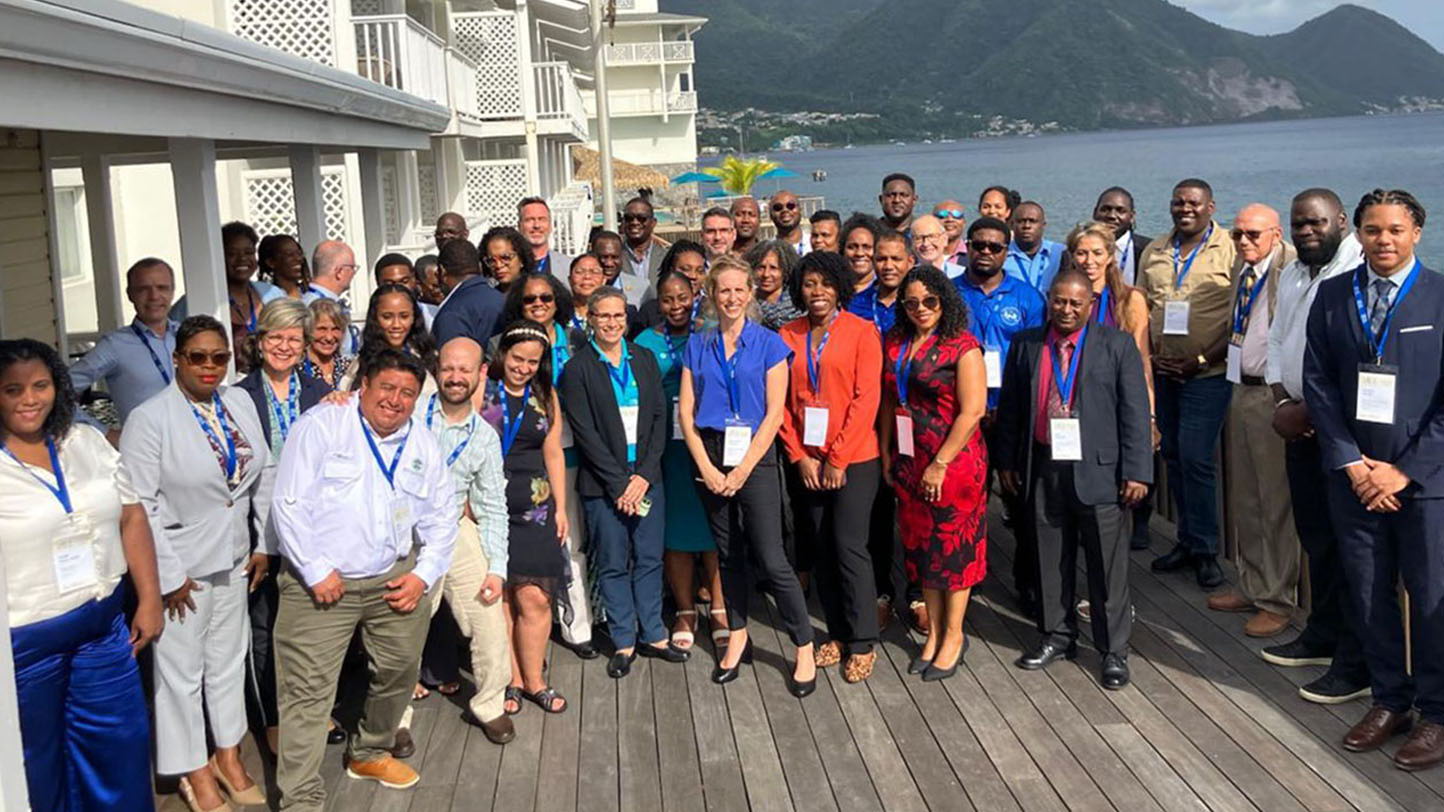
Regional decision-makers and stakeholders convened in the Commonwealth of Dominica on May 26, 2026, for a SARSEA Project workshop focused on strengthening technical collaboration and advancing coordinated regional responses to the increasing impacts of sargassum across the Caribbean. The engagement brought together government representatives, environmental experts, development partners, and regional organisations to share knowledge, discuss practical solutions, and explore opportunities for stronger cooperation in support of coastal resilience and biodiversity conservation.
The workshop, organised by the Sargassum Regional Strategies for Ecosystem-Based Actions (SARSEA) Project team on the margins of the 13th OECS Council of Ministers: Environmental Sustainability (COM:ES 13), provided a platform for OECS Member States and partners to exchange experiences, showcase innovative approaches, and identify coordinated actions to address biodiversity preservation, coastal resilience, and sustainable sargassum management.
The SARSEA Project is funded by the Agence Française de Développement (AFD) and implemented by Expertise France in partnership with the Organisation of Eastern Caribbean States (OECS) Commission and regional stakeholders.
Delivering remarks during the workshop, Honourable Jullan Defoe, Minister of State in the Ministry of Agriculture, Fisheries, Blue and Green Economy in Dominica, underscored the importance of regional solidarity and coordinated action in confronting environmental challenges facing Small Island Developing States (SIDS).
“Sargassum is not simply an environmental issue; it is a regional challenge affecting livelihoods, tourism, fisheries, biodiversity, and the well-being of our people. It requires collaborative and innovative solutions grounded in science, partnership, and shared responsibility,” Minister Defoe stated.


The workshop highlighted the growing environmental, social, and economic impacts of recurring sargassum events across the Caribbean, particularly on fisheries, tourism, public health, marine biodiversity, and coastal communities. Participants also explored opportunities to transform sargassum challenges into innovation and economic opportunities through sustainable management approaches.
Representatives from OECS Member States, regional institutions, development agencies, and technical organisations engaged in discussions focused on ecosystem-based management strategies, regional coordination mechanisms, early warning systems, policy harmonisation, and knowledge-sharing initiatives.
Honourable Lisa Jawahir, Minister for Agriculture, Fisheries, Food Security and Sustainable Development in Saint Lucia, emphasised the importance of ensuring that regional collaboration translates into practical action on the ground.
“This workshop is about moving beyond discussion and strengthening operational cooperation across the region. Through shared experiences, technical exchange, and coordinated planning, we are building a stronger regional response to sargassum and coastal resilience challenges.”
The SARSEA workshop complemented the broader objectives of COM:ES 13, convened under the theme: “The OECS Collective Resolve: Innovative Pathways in a High-Risk Global Landscape.” The ministerial meeting brought together Ministers and partners to advance practical and coordinated solutions for environmental sustainability and resilience throughout the region.
OECS Senior Technical Specialist Delamine Andrew-Williams urged participants to remember the importance of addressing the sargassum situation and the opportunities at hand. She stated: “Sargassum is a disaster for our region, so today let us not only apply the cycle of disaster risk management: preparedness, response, recovery, mitigation/ prevention, but also go further with research and communication. Our priority must remain the protection of our communities, ecosystems, public health, and economies from the adverse impacts of sargassum influxes. At the same time, opportunities for innovation and responsible valorisation may emerge through continued research, improved policy coordination, and collaboration with the private sector.”
The workshop also reinforced the OECS Commission’s continued commitment to supporting sustainable environmental management, biodiversity conservation, and climate resilience through strategic partnerships and regional collaboration.


Danny Moonie
OECS Communications Unit