Regional Tourism Officials Advance OECS Sustainable Tourism Actions at Grenada Consultation
OECS Press Release
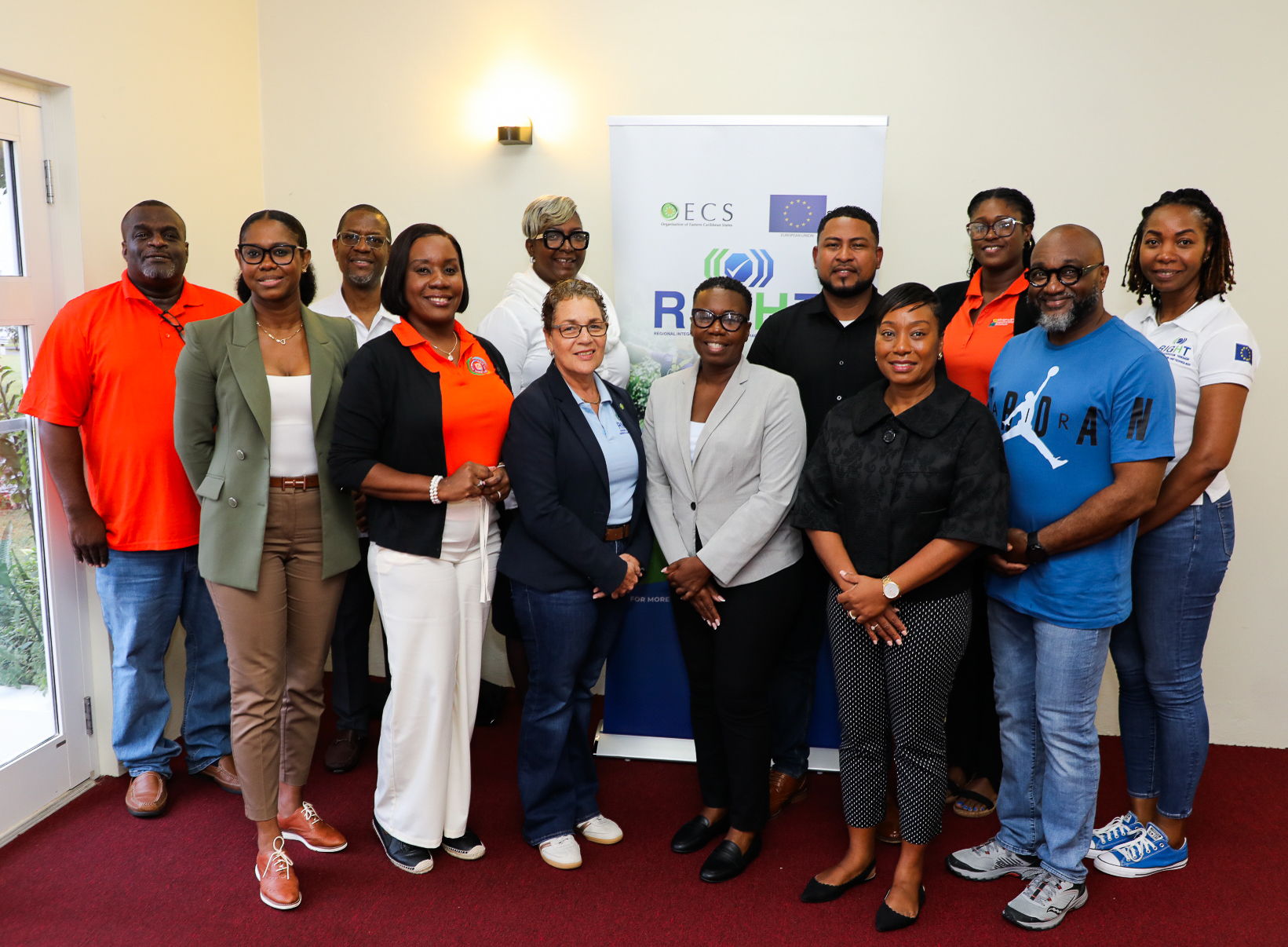
Regional tourism stakeholders gathered in Grenada on January 29-30, 2026, for a high-level consultation aimed at shaping the future of tourism in the Eastern Caribbean. The Regional Tourism Steering Committee Consultation focused on validating the OECS Sustainable Tourism Action Plan (STAP), a comprehensive roadmap designed to guide the transformation of the sector over the next decade.
Tourism remains a critical driver of economic growth across the Organisation of Eastern Caribbean States (OECS), contributing significantly to employment and national GDP. Recognising the need to ensure this growth is resilient and inclusive, in 2025, OECS Member States adopted the OECS Sustainable Tourism Policy 2025–2035. The Grenada consultation marked a pivotal step in operationalising this policy, translating regional commitments into concrete actions and measurable outcomes.

Opening the consultation, Senator the Honourable Adrian Thomas, Minister for Tourism, the Creative Economy and Culture and Chairman of the OECS Council of Ministers: Tourism, underscored the importance of collective regional action in advancing sustainable tourism.
“Sustainable tourism, for us, is not an abstract concept. It is about safeguarding our beaches and marine ecosystems, preserving our cultural heritage, strengthening linkages with agriculture and the creative industries, and ensuring that tourism revenues circulate within our local economies. At the regional level, the OECS Sustainable Tourism Action Plan provides us with a powerful framework to move together – sharing best practices, harmonising standards, pooling technical capacity, and speaking with one voice on the global stage.”
The two-day activity brought together representatives from across the OECS protocol Member States, including Antigua and Barbuda, the Commonwealth of Dominica, Grenada, Montserrat, St. Kitts and Nevis, Saint Lucia, and Saint Vincent and the Grenadines; and associate Member States including Anguilla and the British Virgin Islands. Participants worked collaboratively to prioritise actions across eight thematic areas aligned to the Policy and in the draft STAP. These include:
- Inclusive Growth: Developing OECS community-based tourism toolkits and youth entrepreneurship programmes.
- Climate Resilience: Establishing a common regional crisis and risk management framework.
- Blue Tourism: Implementing beach use and coastal zone planning and coral reef restoration at scale.
- Product Development: Carrying capacity studies.

As host of the consultation, Grenada emphasised the value of regional collaboration in advancing a shared tourism agenda. Speaking on the significance of the OECS Sustainable Tourism Action Plan Consultation, Chief Executive Officer of the Grenada Tourism Authority, Stacey Liburd, underscored the importance of alignment and shared vision in shaping the region’s tourism future:
“This consultation provides a valuable opportunity for us to collaborate, share insights, and develop strategies that will guide the sustainable growth of tourism across the OECS region.”
This consultation is built on significant progress that has already been achieved, most notably the formal adoption of the OECS Sustainable Tourism Policy 2025–2035 by the OECS Ministers of Tourism. The policy serves as the foundation for the Sustainable Tourism Action Plan, which will be implemented in three phases: Foundation (2025–27), Scaling (2028–31), and Consolidation (2032–35). Early "quick wins" identified for the coming two years include the launch of an OECS Tourism Knowledge and Resource Centre and pilot projects for circular tourism initiatives.

Natasha Deterville-Moise, Officer-in-Charge of the Economic Development Unit at the OECS Commission, underscored the Commission’s commitment to moving beyond high-level policy toward a result-orientated framework for the region:
“The policy aims to drive economic growth, regional integration, and climate resilience through sustainable, inclusive, and innovative tourism. Our Director General, Dr Didacus Jules, has consistently articulated the need for a swift move from policy to programme, from concept to concrete action. The focus now is on implementation. The OECS Sustainable Tourism Action Plan (STAP) translates our shared vision into specific, concrete actions, clear responsibilities for both regional and national roles, and phased timelines.”
The consultation was supported by the European Union through the 11th EDF Regional Integration Through Growth Harmonisation and Technology (RIGHT) programme. By the end of the consultation, stakeholders validated the implementation roadmap with clear roles for national and regional institutions, reinforcing the OECS commitment to maintaining its position as a global leader in sustainable, competitive tourism.


Marvin St. Louis
OECS Communications Unit