OECS Tourism Ministers Chart New Agenda: Diversification, Sustainability, and Greater Economic Value
OECS Press Release
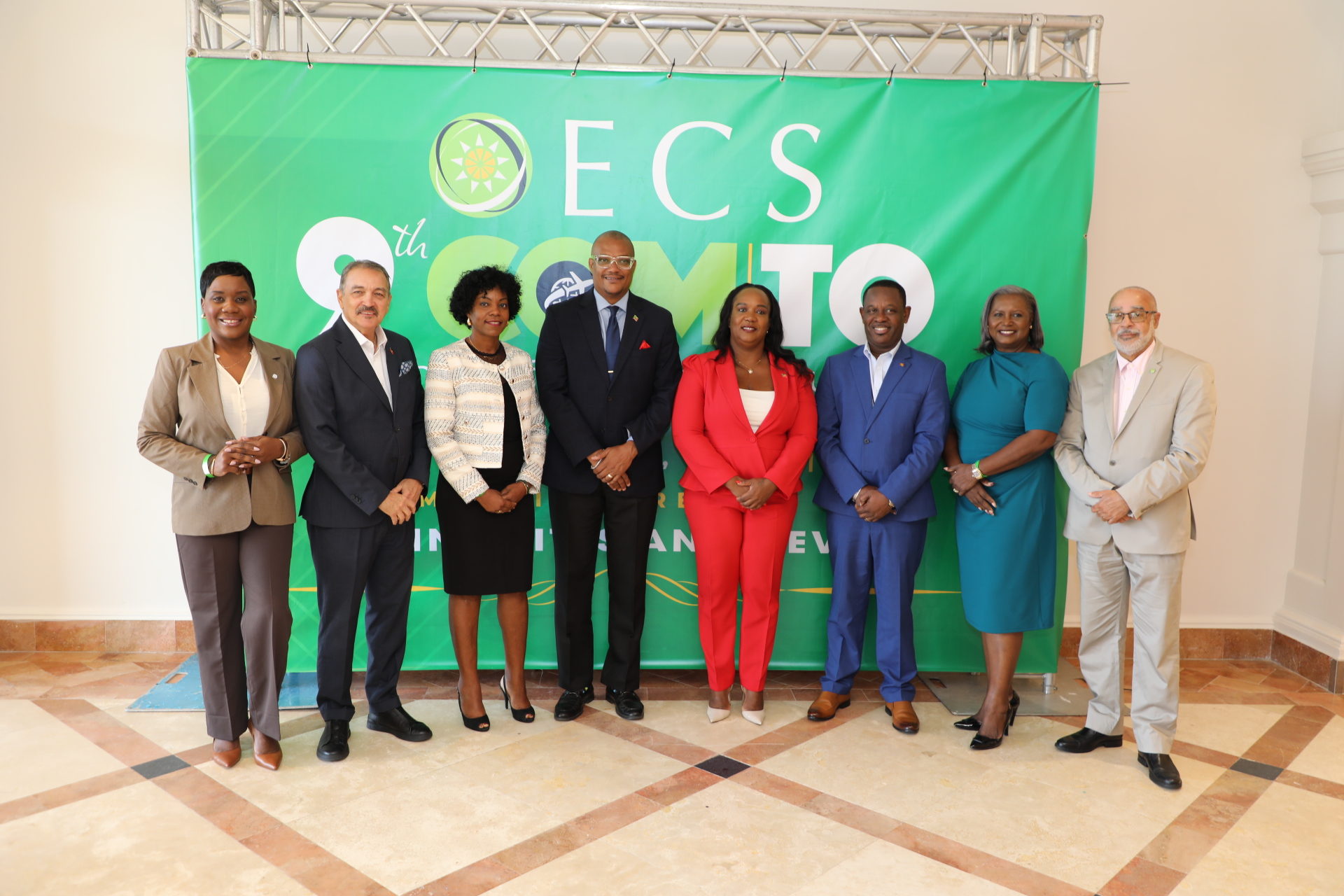
Saint Kitts and Nevis welcomed the Ninth Meeting of the OECS Council of Ministers: Tourism on February 11, 2026 at the Marriott Resort, marking the gathering as a pivotal moment for tourism in the OECS. The region is currently facing a convergence of mounting pressures as geopolitical uncertainty, climate volatility, and tightening global financing call for a dynamic shift in the operations of the tourism industry.
Across the OECS, tourism directly and indirectly accounts for approximately 39% of the Gross Domestic Product (GDP) across the six OECS Member States. This impact has significantly contributed to shaping employment, foreign exchange earnings, infrastructure development, and community livelihoods. Newly appointed Chairperson of the OECS Council of Ministers: Tourism and Saint Kitts and Nevis Minister for Tourism, Hon. Marsha Henderson, called for rigorous collective and shared solutions in her speech at the opening ceremony.
“As we gather here in Basseterre, our collective task is to move beyond traditional, siloed hospitality models and toward a coordinated, data-driven regional tourism industry—one that is integrated by design, resilient by strategy, and capable of withstanding the volatility of the global market.”

Director General of the OECS, Dr. Didacus Jules, called on leaders to confront a reality we can no longer avoid: we cannot expect to follow the same trajectory, in the same markets, in the same way, under radically different global conditions and expect meaningful results. His urgent plea is consistent with the understanding that tourism remains the backbone of many OECS economies but is also highly exposed to geopolitical disruptions and climate shocks.
“Tourism cannot remain a stand-alone sector. It must become a demand engine for agriculture, the creative industries, and youth entrepreneurship—particularly in alignment with the OECS Food and Agriculture Systems Transformation (FAST) Strategy. When tourism sources food regionally, it strengthens food security. When it integrates creative industries, it differentiates our product and deepens cultural value. When it creates credible pathways for youth, it turns tourism from a job of last resort into a sector of innovation and aspiration.”
.JPG "Director General of the OECS, Dr. Didacus Jules")
Senator the Honourable Adrian Thomas, Minister for Tourism, the Creative Economy and Culture and outgoing Chairperson of the OECS Council of Ministers: Tourism, reminded his fellow ministers that “Tourism Must Begin at Home” and be cultivated from the ground up. Referencing that Saint Lucia is driving local income circulation through community trails and heritage tours; Dominica is pioneering nature-based, community-led tourism; Grenada is empowering farmers, fishers, and artisans through rural and cultural experiences; and Antigua and Barbuda is strengthening national identity through neighbourhood-based initiatives. He continued by stating:
“When tourism caters only to external demand, our economies rise and fall with international travel cycles. But when tourism also serves locals, when citizens are participants, consumers, and beneficiaries, the industry gains stability. Designing tourism for both locals and visitors extends activity beyond peak seasons, keeps small businesses alive year-round, and ensures that tourism is not something that happens around our people, but with them.”

A major focus of the meeting included a critical presentation on Cruise Tourism Sustainability delivered by Director General Dr. Didacus Jules. This presentation emphasised the need to move beyond relying solely on cruise-industry-commissioned studies, advocating instead for independent, regionally coordinated economic impact assessments to ensure true value creation for the region. Dr. Jules underscored that to secure the future of OECS tourism, the region must shift from prioritising volume alone to focusing on net economic value and environmental costs, ensuring a symbiotic industry where all stakeholders achieve equitable gains.
Hon. Marsha Henderson committed her tenure as Chairman of the OECS Council of Ministers: Tourism to five achievable, high-impact areas designed to secure the region’s economic future:
- Strategic Market Diversification: Establishing a shared OECS framework to engage alternative and emerging markets. By aligning messaging and intelligence, the region aims to reduce over-reliance on traditional source markets that are vulnerable to geopolitical shifts.
- Unified Air Access and Connectivity: Advancing coordinated engagement with airlines and regional carriers. The goal is to move past fragmented negotiations to improve access, reduce risk, and enhance connectivity across all member states.
- Collective Implementation: Shifting from mere policy endorsement to the active execution of the OECS Sustainable Tourism Action Plan. Focus will be placed on capacity building, data sharing, and the harmonization of regional standards.
- Evidence-Based Cruise Tourism: Bringing greater discipline and transparency to the cruise sector through independent, regional economic impact assessments. This ensures Member States make informed decisions that balance economic returns with environmental and social considerations.
- Economic Linkages and Community Value: Strengthening the demand for tourism by integrating it with agriculture, creative industries, and youth entrepreneurship. These scalable initiatives are essential to reducing economic leakage and ensuring local citizens are the primary beneficiaries of the industry.
Hon. Marsha Henderson stressed that none of the new objectives can be achieved in isolation. The OECS's collective task is to build a coordinated, data-driven regional tourism industry that is integrated by design and resilient by strategy.


Marvin St. Louis
OECS Communications Unit