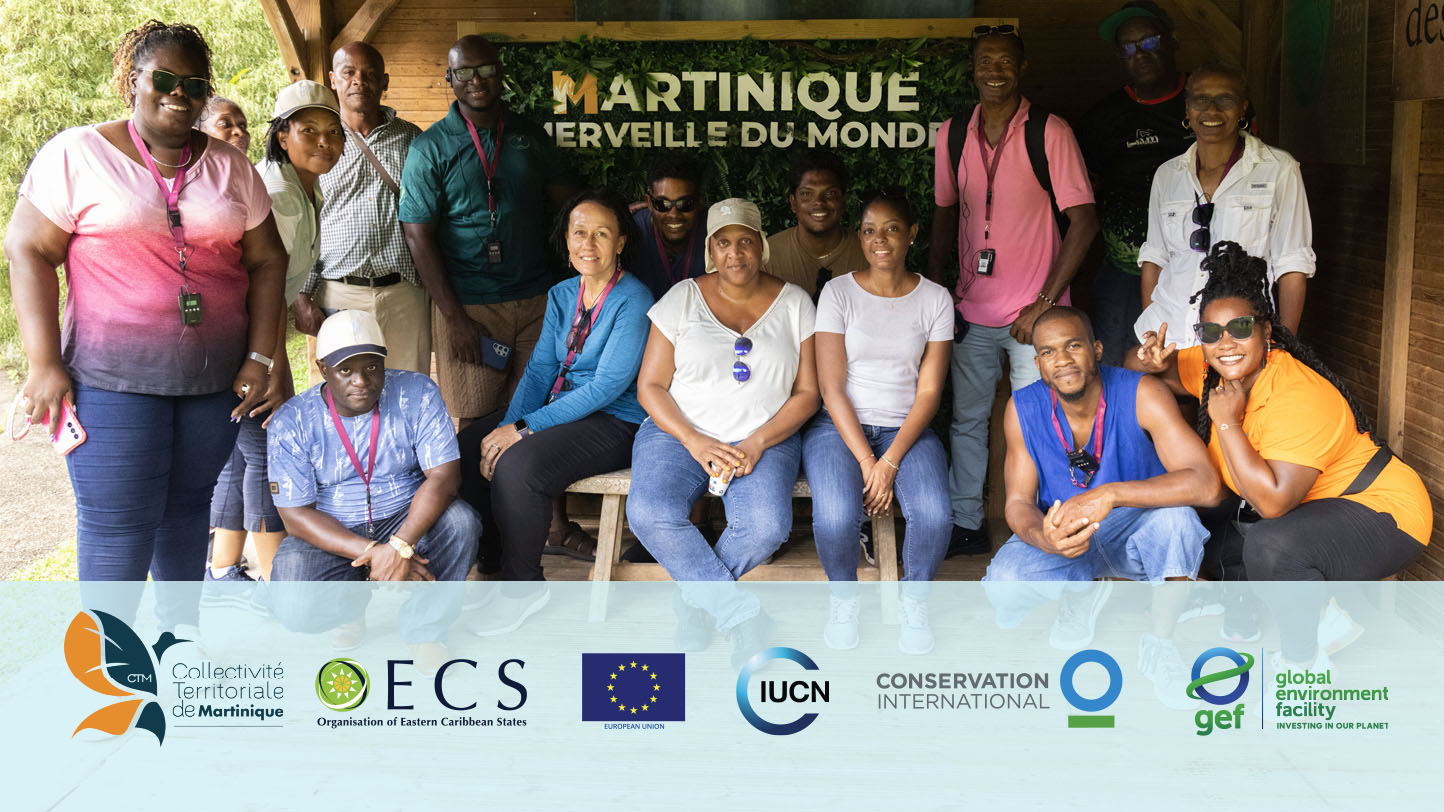
Martinique Hosts OECS Biodiversity Meeting to Advance Regional Conservation
OECS Press Release
The Eastern Caribbean is home to some of the world's most unique biodiversity, forming part of the Caribbean Islands Biodiversity Hotspot, one of 36 recognised biodiversity hotspots worldwide. According to the Critical Ecosystem Partnership Fund (CEPF), the wider Caribbean Islands Hotspot supports approximately 11,000 species of seed plants, of which 72 per cent are endemic, meaning they are found nowhere else on Earth. Approximately 82 per cent of the region's more than 600 native reptile species are also endemic. This remarkable biodiversity, including species unique to individual OECS Member States, highlights the importance of regional conservation efforts.
The Organisation of Eastern Caribbean States (OECS) Commission, in collaboration with the Collectivité Territoriale de Martinique, convened the 7th In-Person Biodiversity and Ecosystems Management Committee (BEMC) Meeting in Martinique from September 28–30, 2026, bringing together representatives from OECS Member States, regional partners and biodiversity experts to advance conservation and sustainable ecosystem management in the Eastern Caribbean.
Hosted at the Villa Chanterclerc Conference Center in Fort-de-France, the meeting was held under the theme “Building Resilience to Environmental Pressures: Innovative Solutions for Biodiversity and Ecosystem Management in the Eastern Caribbean.”
It provided a platform for Member States to exchange knowledge, share innovative approaches and strengthen regional cooperation in addressing growing threats to biodiversity.
President of the Executive Council of the Collectivité Territoriale de Martinique, Serge Letchimy, welcomed participants to Martinique, encouraging the regional collective approach to biodiversity conservation, and reinforcing the territory's important role in regional environmental cooperation.
The meeting highlighted practical solutions being implemented across OECS Member States to protect ecosystems and strengthen resilience. Martinique showcased initiatives including the ecological restoration of former landfills, biodiversity monitoring and research, and the use of environmental data to inform sustainable development. Member States also presented national conservation achievements, while discussions explored opportunities for resource mobilisation, regional collaboration and improved biodiversity management.
Participants gained firsthand exposure to Martinique's biodiversity and conservation efforts through field visits, including a marine excursion to the Albert Di Falco Marine Reserve. These activities provided opportunities to examine ecosystem protection and management approaches that could inform similar initiatives across the region.


European Union Supports Regional Biodiversity Capacity-Building Through COLOURS
A major highlight of the three-day engagement was the Technical and Capacity-Building Day held on September 30, facilitated by the International Union for Conservation of Nature (IUCN), with funding from the European Union through the OECS Communities, Local Outcomes and Regional Science (COLOURS) Programme.
The technical engagement represented an important investment in strengthening the capacity of OECS Member States to implement the Kunming-Montreal Global Biodiversity Framework (KMGBF), particularly Target 3, which seeks to conserve at least 30 per cent of terrestrial, inland water, coastal and marine areas globally by 2030, and Target 21, which focuses on improving access to biodiversity data, information and knowledge.
Delivered in a hybrid format, the training addressed Protected Area Management Effectiveness (PAME), Other Effective Area-based Conservation Measures (OECMs), Ecologically or Biologically Significant Marine Areas (EBSAs), and biodiversity data management. Participants also received preliminary training on the use of the Caribbean Protected Areas Gateway (CPAG), a regional knowledge platform supporting biodiversity data collection, analysis, monitoring, reporting and evidence-based decision-making.
Through the EU-funded COLOURS Programme, the OECS Commission and its partners are helping Member States strengthen the technical knowledge, tools and institutional capacity required to manage protected and conserved areas more effectively and meet national, regional and international biodiversity commitments.
The 7th BEMC Meeting reaffirmed the importance of regional cooperation, scientific knowledge and practical innovation in safeguarding the Eastern Caribbean's natural heritage. It also underscored Martinique's valuable contribution to advancing shared environmental priorities and strengthening biodiversity conservation across the OECS.


Danny Moonie
OECS Communications Unit