Grenada Hosts First-Ever Capacity-Building Session under the OECS Climate Finance Action Platform (CFAP)
OECS Media Release
Grenada has become the first OECS Member State to host a dedicated capacity-building session under the OECS Climate Finance Action Platform (CFAP), marking an important milestone in regional efforts to strengthen access to and mobilisation of climate, nature and sustainable finance, and translate national and regional climate priorities into investment-ready projects that build resilience, support low-carbon development and deliver tangible benefits for communities and economies across the OECS.
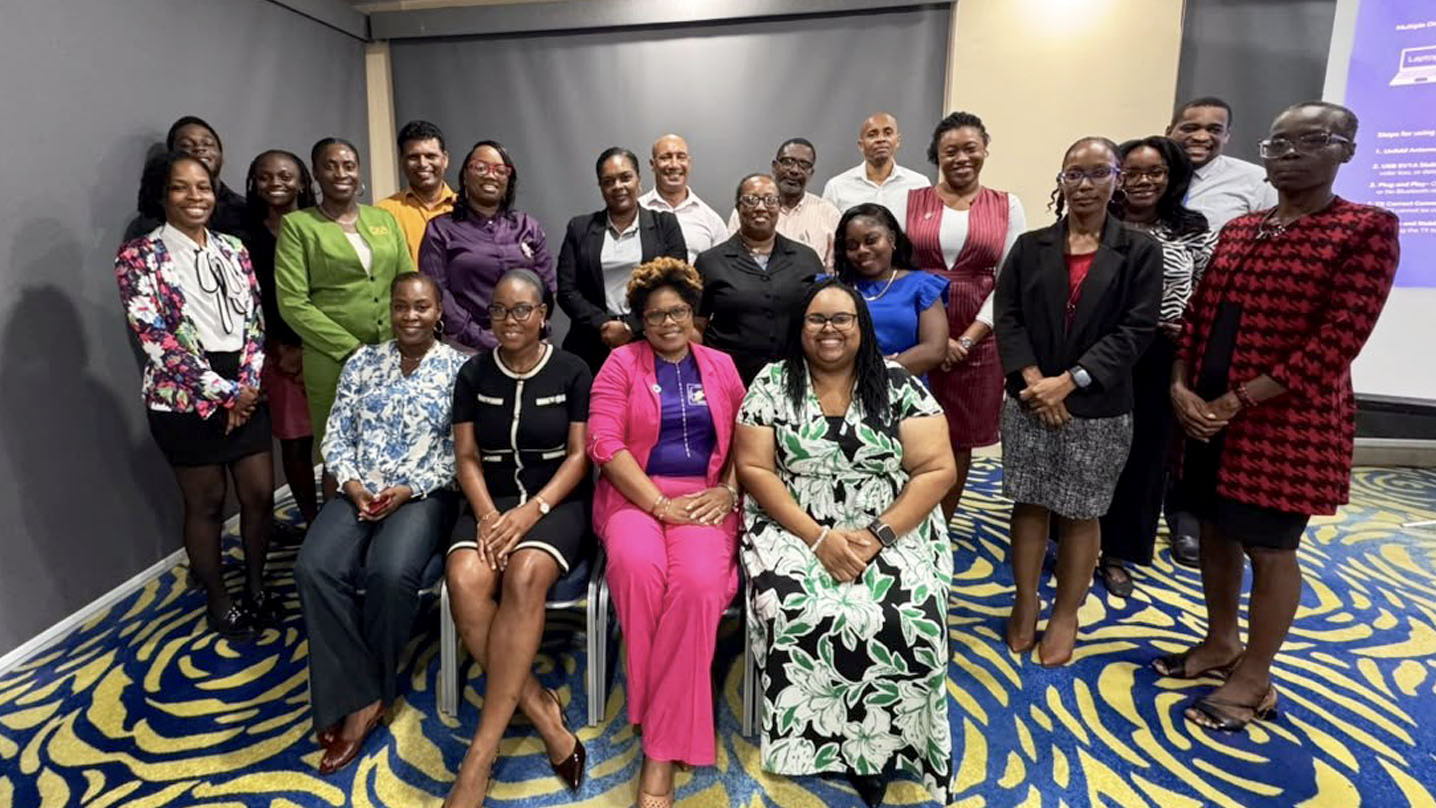
The session, “Strengthening Grenada’s Capacity to Access, Mobilize and Deploy Climate Finance,” was held on September 10, 2026, at the Radisson Grenada Beach Resort. It brought together representatives of key government ministries and agencies, including members of Grenada’s Climate Change Sectoral Focal Point Network, as well as officials working in climate change, finance, economic planning, public investment and project implementation.
The capacity-building session formed part of a broader CFAP country mission to Grenada, and was delivered by the Organisation of Eastern Caribbean States (OECS) Commission with financial support from the European Union through the EUROCLIMA Programme and its Technical Assistance Facility. This support is helping the OECS Commission to establish and operationalise the CFAP and to provide targeted technical assistance and capacity building to Member States to strengthen climate finance coordination, project preparation, investment readiness, and resource mobilization.
Mr. Titus Antoine, Director of Climate Resilience, Ministry of Climate Resilience, the Environment and Renewable Energy in Grenada, emphasised the importance of continuously strengthening the island's national capacity to access, mobilise and effectively deploy climate finance. He stated:
“Strengthening our climate finance capacity is essential if Grenada is to translate its climate and development priorities into action. This capacity-building session has helped deepen our understanding of the evolving climate finance landscape, the range of financing opportunities and instruments available, and what is required to develop strong, investment-ready projects. Building this knowledge and capacity across government will better position Grenada to mobilize the financing needed to implement our climate priorities and build a more resilient and sustainable future.”
The training provided participants with a practical understanding of the evolving climate finance landscape, available financing sources and instruments, and opportunities for SIDS. A key focus was strengthening Grenada’s ability to translate climate priorities into well-prepared, investment-ready projects and match them with appropriate financing. Participants also reflected on Grenada’s climate finance journey, lessons learned, and opportunities to strengthen implementation, tracking, and future investment.
Dr. Sherry Constantine, Climate Finance Senior Expert providing Technical Assistance through EUROCLIMA, emphasised the importance of strengthening the full pathway from climate priority to financing:
“Accessing climate finance is not simply about finding a fund and submitting an application. We have to start with our climate and development priorities, translate those priorities into well-designed investments, prepare those investments to the standard required by financiers, and then identify the financing sources and instruments best suited to them. The CFAP is intended to help OECS Member States strengthen that entire pathway from priority to investment.”
The training also introduced participants to the support that the CFAP is expected to provide to Member States, including a Project Preparation Facility, Knowledge Hub, targeted capacity building, financing-source mapping, climate finance matchmaking and investment mobilisation support. These services are being designed to address persistent barriers faced by OECS Member States, including fragmented institutional arrangements, limited climate finance readiness, weak project pipelines, high project preparation costs, limited private-sector engagement and difficulties matching investment opportunities with appropriate sources of finance.
Ms. Shanna Emmanuel of the OECS Commission highlighted the importance of grounding the Platform in Member State priorities:
“The CFAP is being developed as a Member State-owned platform. These country engagements are essential to ensuring that the support we provide is practical, targeted and responsive to national priorities. Grenada’s experience and the discussions emerging from this first capacity-building session will help shape how the Platform supports countries going forward.”
The Grenada mission forms part of the CFAP’s wider engagement with OECS Member States to ensure the Platform responds to national climate finance priorities and capacity needs. Findings will inform a CFAP Country Support Package for Grenada, including support for capacity building, project preparation and investment mobilisation. As the CFAP’s first country-level capacity-building session, the engagement marks an important step in helping Member States move from climate priorities to investment-ready and financed projects.
About the European Union
The European Union financially supports this publication through the Euroclima programme, in collaboration with the Organisation of the Eastern Caribbean States (OECS), in the framework of the Climate Finance Action Platform (CFAP) and as part of the Global Gateway strategy. The content is the sole responsibility of the authors and should not be considered as reflecting the views of the European Union.
Danny Moonie
OECS Communications Unit